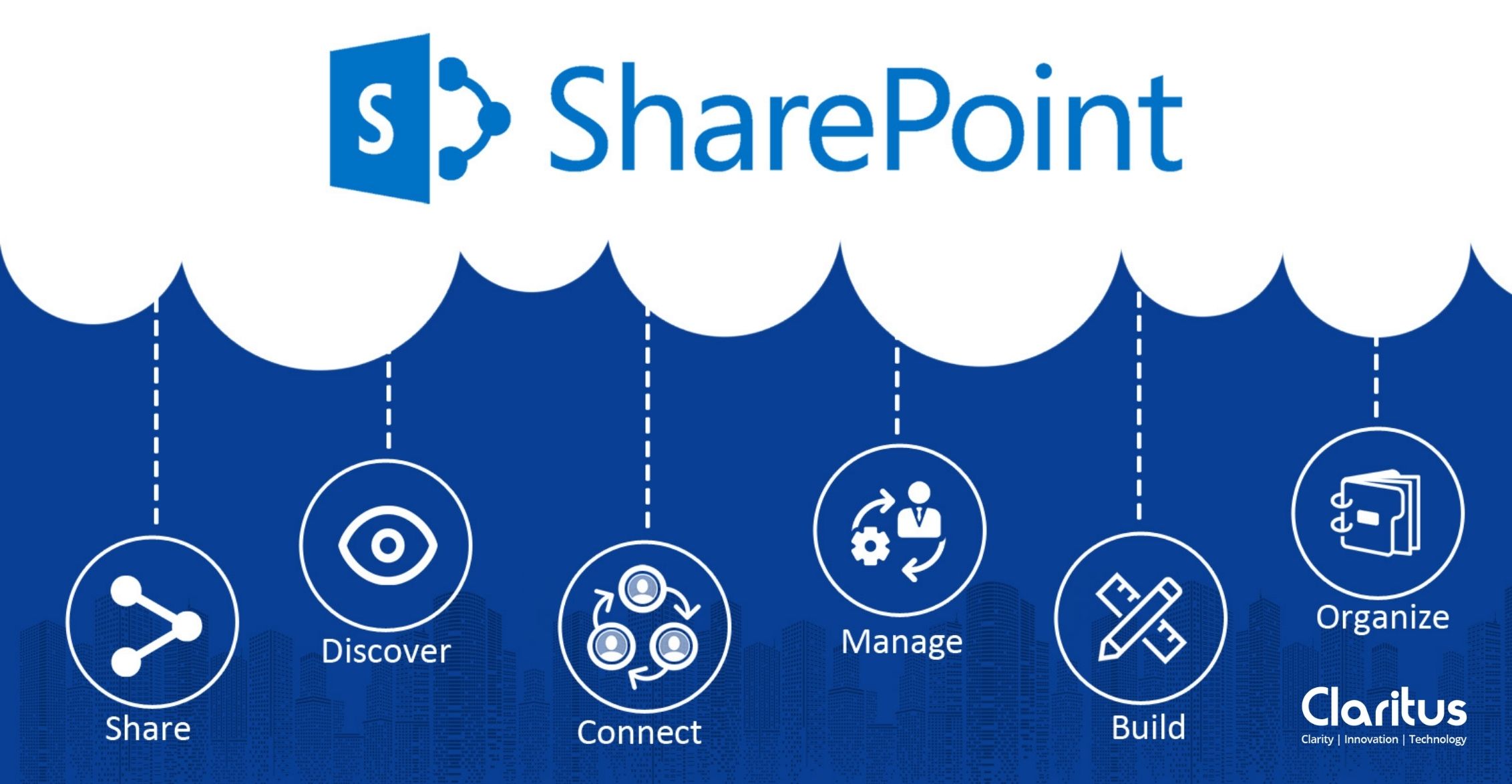
A SharePoint Consultant plays a crucial role in improving team collaboration by check this leveraging SharePoint’s features to create an efficient, collaborative, and streamlined work environment. Here’s how they can contribute:
- Centralized Document Management
Organized Document Libraries: A SharePoint consultant can help set up document libraries that are well-organized, with proper metadata, version control, and folder structures, ensuring that team members can easily find and access documents.
Version Control: SharePoint allows teams to work on documents collaboratively while maintaining version history. A consultant can configure versioning to ensure that teams can track changes and revert to previous versions if needed.
Document Permissions: They can set up granular document permissions, ensuring that only the right people have access to sensitive information, promoting security and reducing confusion over who can edit or view files.
- Improved Communication through Sites and Portals
Team Sites: Consultants can help build team-specific sites that serve as hubs for communication. These sites can include calendars, task lists, document libraries, and discussion boards, providing everything a team needs in one place.
Communication Sites: For broader communication, SharePoint consultants can create communication sites to share company news, updates, and important announcements to keep everyone in the loop.
Integration with Microsoft Teams: By integrating SharePoint with Microsoft Teams, they can make sure that files and documents are synced across platforms, streamlining communication and reducing the back-and-forth between different tools.
- Workflows and Automation
Custom Workflows: SharePoint Consultants can design custom workflows to automate repetitive tasks, approvals, or document review processes, improving efficiency and reducing manual errors.
Task Management: SharePoint can be configured to assign and track tasks, helping teams to collaborate on projects more effectively and ensuring that nothing falls through the cracks.
Alerts and Notifications: Setting up automated notifications and alerts keeps everyone informed when files are updated, tasks are completed, or actions are needed.
- Knowledge Sharing and Collaboration Tools
Discussion Boards: SharePoint consultants can enable discussion boards, which help teams to have conversations, ask questions, and share insights in a structured way.
Wiki Pages: These allow teams to build a knowledge base where information can be shared, such as best practices, standard operating procedures, and project documentation, making it easy for everyone to access useful information.
Co-Authoring Documents: SharePoint enables real-time co-authoring of documents (especially with Office Online), allowing teams to collaborate on documents simultaneously, improving teamwork and reducing the time spent on document revisions.
- Search Functionality
Optimized Search: SharePoint Consultants can configure and optimize the search functionality so that users can easily find documents, conversations, or specific data within the platform, saving time and improving productivity.
Metadata Tagging: By setting up metadata and taxonomies, consultants ensure that content can be easily categorized and retrieved, improving the overall search experience for team members.
- Security and Compliance
Data Security: By setting up appropriate permissions, data governance policies, and compliance solutions, SharePoint consultants help ensure that sensitive team and company data is securely managed, giving team members confidence in using the platform.
Audit Trails: SharePoint’s audit functionality, which consultants can configure, tracks user actions within the platform. This helps teams maintain transparency and ensures accountability for document changes and other actions.
- Integration with Other Tools
Microsoft 365 Integration: SharePoint Consultants can integrate SharePoint with other tools in the Microsoft 365 ecosystem (like OneDrive, Outlook, and Power Automate) to create a seamless experience for the team.
Third-party Integrations: SharePoint can also integrate with other business tools that a team might use, like CRM or ERP systems, which helps eliminate the need to jump between different platforms.
- User Training and Support
User Adoption: A SharePoint Consultant plays a key role in training teams on how to use SharePoint effectively. They provide guidance on best practices, creating templates, and offering support during the transition to using SharePoint as the central collaboration tool.
Customized Solutions: Consultants can provide personalized advice on how SharePoint can be adapted to a specific team’s needs, ensuring that it provides maximum value.
Conclusion
By working with a SharePoint Consultant, organizations can optimize SharePoint to foster collaboration, streamline processes, and make teamwork more efficient. Their expertise in configuring, customizing, and integrating SharePoint ensures that teams can access the right tools and information, when they need them, while promoting smooth communication and workflow management.
 Site Title